


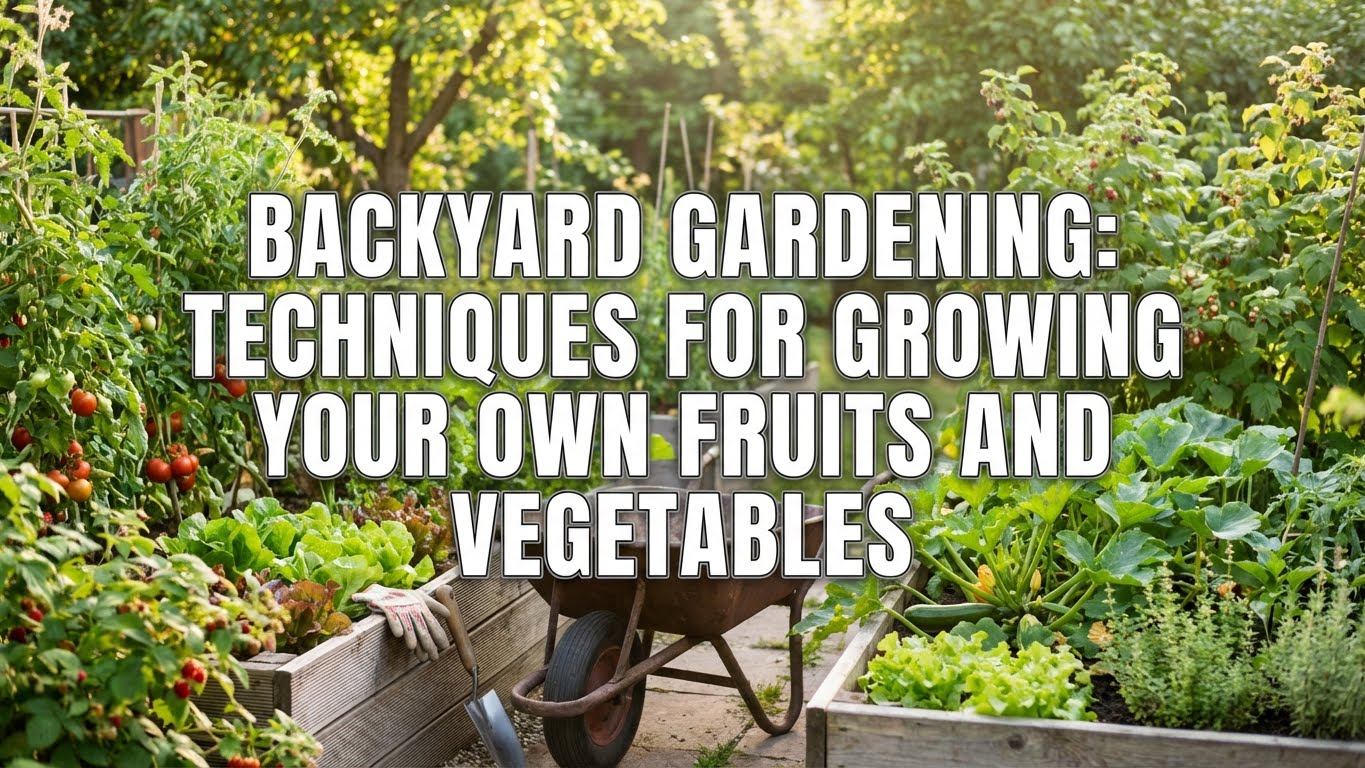
To successfully grow fruits and vegetables in your backyard, start by choosing a sunny, well-drained location near your home for easy access. Understanding soil types and preparing it with organic matter is crucial for nutrition. Use essential tools like trowels and hoses, and select plants suited to your climate. Employ proper planting techniques, organic pest control methods, and consider companion planting for better yields. Continue exploring these topics to enhance your gardening skills and harvest.
Key Takeaways
- Choose a sunny, accessible location with good drainage to promote healthy plant growth.
- Prepare well-drained soil enriched with organic matter to enhance fertility and structure.
- Use companion planting to improve pest control and support plant relationships for better yields.
- Implement efficient watering strategies, such as deep watering and drip irrigation, to foster strong root systems.
- Monitor plants regularly for pests and diseases, utilizing organic control methods to maintain garden health.
Choosing the Right Location for Your Garden
When determining where to plant your garden, how do you ensure you’re making the best choice for your fruits and vegetables? Start by assessing sunlight exposure; most plants thrive with at least six hours of direct sunlight daily. Next, consider accessibility for watering and maintenance. You’ll want a location that’s easily reachable to avoid neglecting your plants. Additionally, think about wind protection; a sheltered spot can prevent damage to delicate seedlings. Drainage is crucial too—avoid low-lying areas where water tends to collect. Lastly, keep in mind the proximity to your home; a convenient location can encourage you to tend to your garden regularly. By evaluating these factors, you’ll set your garden up for success right from the start.
Understanding Soil Types and Preparation
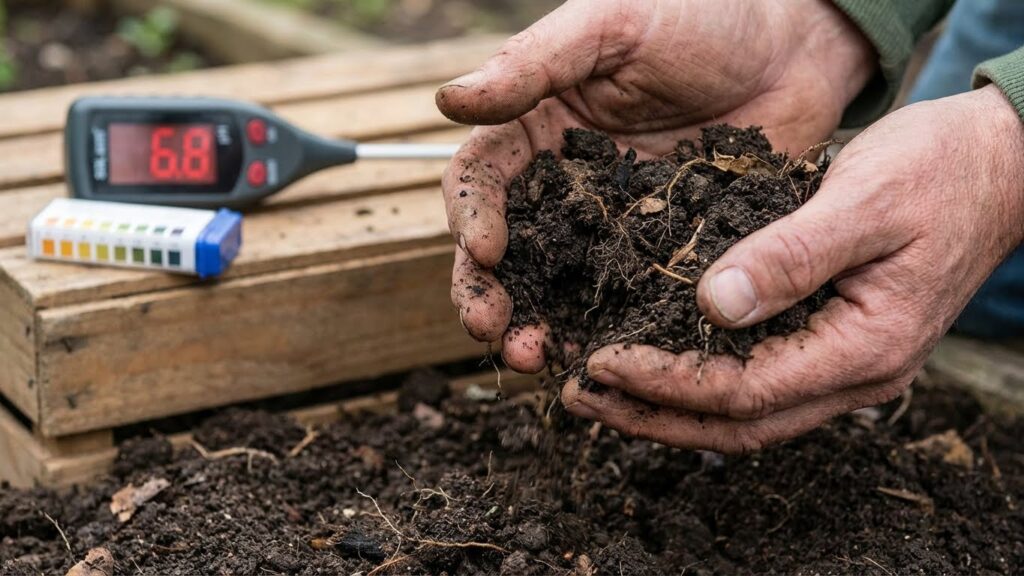
Understanding the soil in your garden is crucial for successful growth of fruits and vegetables. You need to consider the soil composition, test its pH, and recognize the benefits of organic matter to create an optimal environment for your plants. By addressing these key aspects, you’ll set a solid foundation for your gardening efforts.
Soil Composition Essentials
How can you guarantee your garden thrives from the ground up? Start by understanding soil composition, as it’s vital for healthy plant growth. Soil consists of minerals, organic matter, water, and air, and the right balance is essential. Sandy soil drains quickly but lacks nutrients; clay soil retains moisture but can become compacted. Loamy soil, a mix of sand, silt, and clay, is often ideal for gardening due to its nutrient retention and drainage capabilities. To prepare your soil, remove debris and amend it with compost to enrich its structure and fertility. This enriches the microbial life, enhancing nutrient availability for your plants. By ensuring your soil has the right composition, you create a strong foundation for your garden’s success.
Testing Soil Ph
Ever wondered why some plants flourish while others struggle in your garden? One key factor is soil pH, which measures acidity or alkalinity. Most fruits and vegetables thrive in a pH range of 6.0 to 7.5. To test your soil’s pH, you can use a simple pH test kit or a digital meter. Just collect a sample from various spots in your garden, mix it with distilled water, and follow the kit’s instructions. Understanding your soil’s pH helps you identify nutrient availability; for instance, certain nutrients become less accessible in highly acidic or alkaline conditions. Once you know your soil’s pH, you can make informed adjustments, ensuring your plants get the nutrients they need to grow successfully.
Organic Matter Benefits
Once you’ve assessed your soil’s pH, the next step is to contemplate the role of organic matter in enhancing soil quality. Organic matter, such as compost or well-rotted manure, improves soil structure, promoting aeration and drainage. This is crucial for root development, allowing plants to access essential nutrients and water more efficiently. Additionally, organic matter acts as a sponge, retaining moisture during dry spells, which is vital for plant health. It also feeds beneficial microorganisms, fostering a vibrant ecosystem that aids in nutrient cycling. By incorporating organic matter, you create a more fertile environment, encouraging robust growth and higher yields in your garden. Understanding these benefits will guide you in preparing soil that thrives with life.
Essential Tools for Backyard Gardening
To successfully cultivate your backyard garden, having the right tools is essential. You’ll need basic gardening tools like trowels and pruners, soil preparation essentials such as a tiller and compost fork, and maintenance equipment including hoses and weeders. Each of these tools plays a vital role in ensuring your plants thrive from planting to harvest.
Basic Gardening Tools
When it comes to backyard gardening, having the right tools can make all the difference in your success. Start with a sturdy pair of gloves to protect your hands from thorns and dirt. A hand trowel is essential for digging small holes and transplanting seedlings. Consider investing in a quality garden fork for turning soil and aerating it. A hoe helps in weeding and breaking up compacted soil. Don’t overlook a watering can or hose with a spray nozzle for efficient watering. Finally, a pruner is crucial for trimming plants and harvesting fruits. Each tool serves a specific purpose, so understanding their functions will enhance your gardening experience and yield. Choose wisely, and your garden will thrive.
Soil Preparation Essentials
Having the right tools is just the beginning; proper soil preparation is the foundation of a thriving garden. Start by testing your soil’s pH and nutrient levels to understand its composition. A soil test kit can help you identify deficiencies. Once you know what you’re working with, amend your soil as needed, incorporating organic matter like compost or well-rotted manure to improve fertility and structure. Use a garden fork or tiller to mix these amendments thoroughly. Additionally, consider adding mulch to retain moisture and suppress weeds. Guarantee your soil drains well; poor drainage can lead to root rot. With these essentials, you’re setting the stage for healthy plants and bountiful harvests. Soil preparation is your essential first step.
Maintenance Equipment Needed
A well-equipped gardener knows that the right maintenance tools can make all the difference in sustaining a productive backyard garden. Essential tools include a sturdy pair of pruning shears for trimming plants, which promotes healthy growth and prevents disease. A hoe is vital for cultivating soil and removing weeds, while a rake helps level the soil and clear debris. Don’t forget a quality watering can or a hose with an adjustable nozzle to guarantee your plants receive adequate hydration. Additionally, a garden fork is invaluable for aerating soil, and gloves protect your hands while you work. Finally, consider a wheelbarrow for easy transportation of soil and plants, streamlining your gardening tasks markedly.
Selecting the Best Fruits and Vegetables to Grow
How do you choose the best fruits and vegetables for your backyard garden? Start by considering your climate and growing conditions, as different plants thrive in varying temperatures and soil types. Assess your space: if it’s limited, opt for compact varieties or vertical gardening options. Think about your culinary preferences—growing what you love to eat will make your gardening efforts more enjoyable and rewarding. Additionally, consider the growing season; some vegetables, like tomatoes and peppers, prefer warmer months, while others, like spinach and kale, flourish in cooler weather. Finally, research disease resistance and yield potential for each variety to ensure a bountiful harvest. By aligning your choices with these factors, you’ll maximize your gardening success.
Planting Techniques for Optimal Growth
Once you’ve selected the best fruits and vegetables for your backyard garden, the next step involves implementing effective planting techniques to ensure optimal growth. Start by preparing the soil; it should be well-drained and enriched with organic matter. When planting, consider spacing—each plant needs room to breathe and access nutrients. Follow the recommended depth for each type of seed or seedling, as this impacts root development. Companion planting can enhance growth by utilizing beneficial plant relationships. Additionally, pay attention to planting times; many crops thrive in specific seasons. Lastly, mulching can help regulate soil temperature and suppress weeds, further supporting healthy growth. By applying these techniques, you set the stage for a bountiful harvest.
Watering Strategies for a Thriving Garden
Effective watering strategies are essential for nurturing a thriving garden. First, consider your plants’ needs; different species require varying amounts of water. A deep, infrequent watering approach encourages root growth, while frequent shallow watering can lead to weak roots. Aim to water early in the morning or late in the afternoon to minimize evaporation. Utilizing soaker hoses or drip irrigation can efficiently deliver water directly to the roots, reducing waste. Monitor your soil moisture; inserting your finger about an inch deep can help assess if it’s time to water. Additionally, mulching around plants retains moisture, reducing the frequency of watering. By implementing these strategies, you’ll promote healthy growth and resilience in your garden, ensuring your plants flourish.
Organic Pest Control Methods
Maintaining healthy plants goes beyond just watering; it also involves protecting them from pests that can threaten your garden’s productivity. Organic pest control methods are crucial for sustainable gardening. You can start with insecticidal soaps or neem oil, which disrupt pest life cycles without harming beneficial insects. Introducing beneficial predators, like ladybugs, can naturally reduce pest populations. Additionally, consider using diatomaceous earth, a natural powder that damages pests’ exoskeletons upon contact. Planting herbs such as basil or mint can repel unwanted insects with their strong scents. Regularly monitoring your plants and removing any affected leaves will also help. By integrating these organic methods, you can maintain a healthy, thriving garden while minimizing your environmental impact.
Companion Planting for Improved Yields
Have you ever considered how the right combination of plants can considerably enhance your garden’s productivity? Companion planting is a strategy that involves pairing plants to create mutually beneficial relationships. For example, planting tomatoes with basil can improve flavor and deter pests like aphids. Similarly, marigolds can attract beneficial insects while repelling nematodes when planted with vegetables. Additionally, legumes, such as beans, fix nitrogen in the soil, benefiting neighboring crops. Understanding these relationships allows you to optimize space and resources, leading to improved yields. It’s essential to research compatible plants and consider their growth habits, as well as their needs for light, water, and nutrients. By implementing companion planting, you can create a thriving garden ecosystem.
Harvesting and Storing Your Produce
When it comes to harvesting your produce, timing is crucial; picking fruits and vegetables at their peak ripeness ensures the best flavor and nutritional value. Once harvested, employing the right storage practices can significantly extend the shelf life and maintain the quality of your bounty. Understanding these key aspects will help you enjoy your garden’s rewards well beyond the growing season.
Optimal Harvest Timing
How can you ensure that your garden yields the best flavors and nutritional value? Timing your harvest is crucial. Each fruit and vegetable has its optimal harvest window, which varies based on species and climate. For instance, tomatoes should be picked when they’re fully colored but still firm, while leafy greens are best harvested in the morning when moisture levels are high. Regularly checking your crops encourages you to harvest at peak ripeness, enhancing both taste and nutrients. Use a gentle touch to avoid bruising, and remember that overripe produce may attract pests. By understanding the specific needs of your plants, you’ll maximize the quality of your harvest, ensuring that what you grow is both delicious and nutritious.
Best Storage Practices
Want to grow your own fruits and vegetables? Here’s what actually matters. You need a sunny spot with decent drainage close enough to your house that you won’t forget it exists. The soil composition is critical (we’ll get to that), and you’ll need some basic tools, plants that won’t die in your climate, and a plan for keeping bugs from eating everything before you do. Organic matter in your soil and companion planting strategies make a massive difference in what you’ll actually harvest.
What You Need to Know First
Pick a location that gets sun, drains water properly, and sits close enough to your back door that watering doesn’t feel like a expedition. Your soil needs preparation with organic material to give plants the nutrients they’re looking for. Get yourself a trowel, a hose, and plants that can handle whatever weather you’ve got. Learn proper planting depth, use organic pest control instead of chemical warfare, and consider companion planting because some plants actually help each other out. There’s more to learn here, but nail these basics and you’re already ahead of most people.
Finding the Right Spot (Because Location Actually Matters)
You’ve probably walked past the perfect garden spot in your yard a hundred times. Here’s what makes a location work. Most fruits and vegetables need at least six hours of direct sunlight daily. Not dappled shade under a tree, not “well it’s bright-ish,” but actual direct sun hitting your plants for a solid six hours.
Think about accessibility next. If your garden requires a hike every time you need to water it, you’ll start finding excuses not to go. Place it where you can reach it easily, preferably somewhere you pass regularly. Out of sight really does mean out of mind when it comes to maintenance.
Wind protection matters more than you’d think. A sheltered spot prevents your seedlings from getting beaten up before they’re strong enough to handle it. Check your drainage situation too. Avoid low spots where water pools after rain, because plants sitting in water are plants with root rot.
Proximity to your home is the secret ingredient nobody mentions. When your garden is twenty steps from your back door instead of across the entire yard, you’ll actually check on it. You’ll notice problems early, harvest at the right time, and generally care more about the whole operation. It’s like keeping your tools where you use them instead of buried in the garage.
Soil Is Everything (And Most People Get This Wrong)
The soil composition in your garden determines whether you’re growing tomatoes or growing frustration. You can’t just dig a hole and hope for the best.
What this actually means: you need to test your soil’s pH level. Different plants want different acidity levels, and guessing doesn’t work. Testing kits cost less than a decent lunch and tell you exactly what you’re working with. Most vegetables prefer slightly acidic to neutral soil, somewhere in the 6.0 to 7.0 pH range.
Here’s where organic matter becomes your best friend. Compost, aged manure, decomposed leaves—this stuff improves soil structure, adds nutrients, and helps with water retention all at once. Work it into your soil before planting, not after. Think of it as building a foundation instead of trying to fix the floor after the house is already up. The organic material feeds beneficial microorganisms that break down nutrients into forms your plants can actually use.
Well-drained soil is non-negotiable. If water sits on the surface for hours after rain, you’ve got a problem that needs fixing before anything goes in the ground. Adding organic matter helps with drainage too, along with aeration and overall soil health. Your plants’ roots need to breathe, and waterlogged soil suffocates them.
By addressing soil composition, pH levels, and organic content upfront, you’re not just hoping your plants survive. You’re giving them an actual fighting chance to thrive.
Seasonal Gardening Tips for Year-Round Success
Have you ever wondered how to maximize your garden’s productivity throughout the year? To achieve seasonal success, start by planning your planting schedule based on frost dates in your area. Utilize succession planting; sow quick-growing crops like radishes or lettuce every few weeks to ensure continuous harvest. In colder months, consider protecting your plants with row covers or cold frames, which help maintain warmth. For summer, opt for heat-tolerant varieties to withstand high temperatures. Additionally, rotate your crops annually to improve soil health and reduce pests. Incorporating companion planting can also enhance growth, as certain plants can deter pests or attract beneficial insects. By implementing these strategies, you can enjoy a thriving garden in every season.
Conclusion
Want to grow your own fruits and vegetables? Here’s what actually matters. You need a sunny spot with decent drainage close enough to your house that you won’t forget it exists. The soil composition is critical (we’ll get to that), and you’ll need some basic tools, plants that won’t die in your climate, and a plan for keeping bugs from eating everything before you do. Organic matter in your soil and companion planting strategies make a massive difference in what you’ll actually harvest.